
What is hair transplantation?
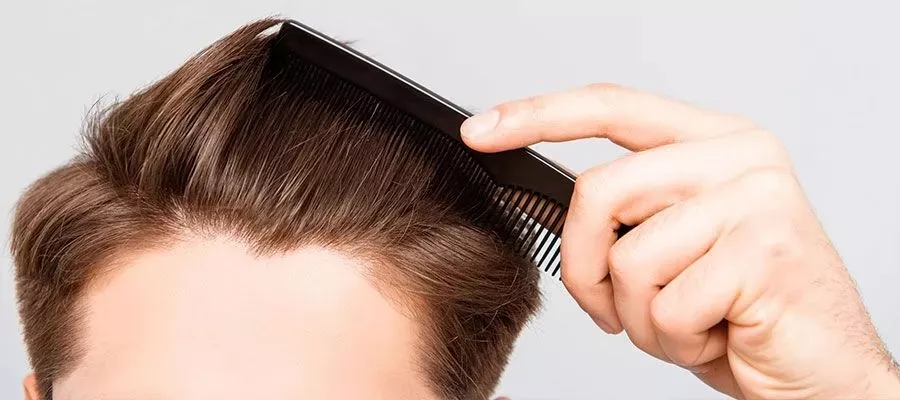
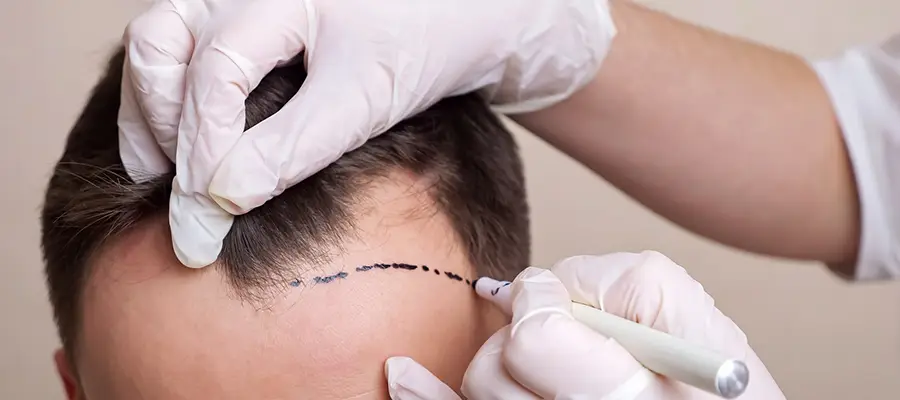
Hair transplantation is the process of transferring healthy hair follicles to areas experiencing hair loss.
This procedure is usually performed using grafts taken from areas resistant to hair loss, such as the nape of the neck. The grafts are individually placed into the hairless areas to achieve a natural look. Hair transplantation is chosen for aesthetic reasons and offers a permanent solution. The procedure is performed under local anesthesia and can take 4-8 hours depending on the individual’s needs. Thanks to modern techniques, the recovery process is short and comfortable. With proper planning and expert application, hair transplantation has a high success rate.
Who is a suitable candidate for hair transplantation?
- Women and men experiencing genetic hair loss
- People with receding hairline or localized hairline
- Those who have sufficient and healthy hair follicles in the donor area.
- Those whose hair loss has largely stabilized
- Those experiencing hair loss due to scarring, burns, or trauma.
- Individuals whose general health condition is suitable for hair transplantation
- People who have realistic expectations and can follow the process.
- Those seeking a lasting and natural solution
Who is not a suitable candidate for hair transplantation?
Hair transplantation is not suitable for individuals who do not have sufficient donor area or who have active skin disease.
If hair follicle density is insufficient in the donor area, the success rate of the procedure decreases. Furthermore, the procedure may be risky for individuals with advanced diabetes, heart disease, or clotting disorders. Transplants performed while skin diseases (such as psoriasis or folliculitis) are active increase the risk of infection. Unrealistic expectations can also be an obstacle to transplantation. Therefore, every candidate should undergo a preliminary evaluation process. In unsuitable cases, alternative solutions will be suggested by the doctor.
Hair Transplantation Methods: FUE, DHI, Manual FUE, Sapphire FUE
- FUE (Follicular Unit Extraction)
- Hair follicles are extracted one by one from the donor area using a motorized or manual punch.
- After the channels are opened, the grafts are placed.
- It is one of the most common and safest methods.
- It is preferred for large open spaces.
- DHI (Direct Hair Implantation)
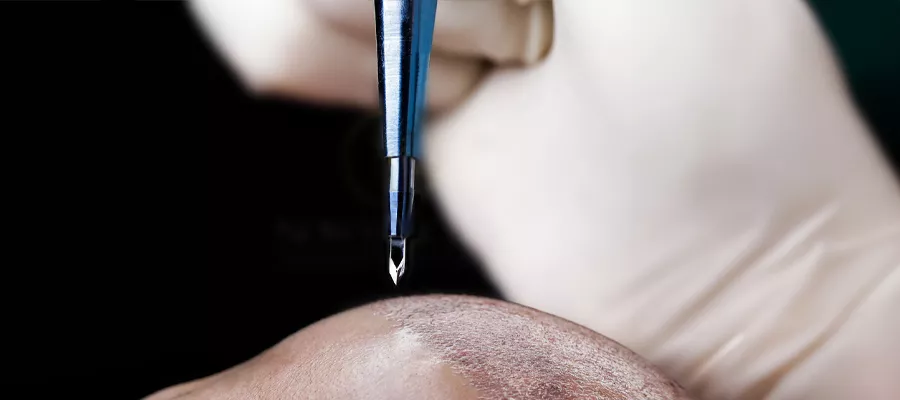
- Grafts are implanted directly using a Choi implanter pen.
- Channel opening and implantation are done simultaneously.
- It offers advantages in areas requiring a healthy hairline and dense hair transplantation.
- It can be applied unshaven or partially shaved.
- Manual FUE
- Hair follicles are extracted using a micro-punch controlled by hand, without the use of a motor.
- The direction and depth of the grafts are controlled more precisely.
- It is preferred for curly, fine, and Afro hair types.
- Less trauma may occur in the donor area.
- Sapphire FUE
- Sapphire tips are used during the channel opening process.
- It allows for the creation of smaller and smoother channels.
- Tissue trauma and crusting may be reduced.
- It offers the possibility of denser and more natural planting.
FUE or DHI? Which is more sensible in which situation?
While DHI is preferred for smaller areas, FUE is a more sensible technique for large hairless regions.
In the FUE technique, hair follicles are extracted and placed into pre-opened channels. This method is faster and frequently preferred for larger areas. In the DHI technique, hair follicles are directly implanted using a special pen; there is no need to open channels. This results in higher hair density and more controlled hair direction. In terms of time, FUE is faster; DHI is more detailed. The method to be chosen should be determined according to the individual’s hair structure, type of hair loss, and desired appearance. Expert evaluation will clarify the most suitable technique.
What is a graft? How is the number of grafts calculated?
A graft is a piece of tissue containing one or more hair follicles that is used in hair transplantation.
A graft typically contains 2-3 hair strands. The number of grafts is calculated based on the size of the bald area and the desired density. Since each individual has different hair thickness and levels of hair loss, the number of grafts needed varies. A hair transplant specialist determines the required number of grafts by performing a scalp analysis. For example, 2000–3000 grafts may be needed for thinning in the crown area. This number may increase in areas where higher density is desired. Correct graft planning is critical for natural and balanced results.
What is the Donor Area? Nuchal Thinning and Overharvesting Risk
The donor area is usually located at the nape of the neck, and it is the area from which hair follicles resistant to hair loss are taken.
Grafts taken from this area are transplanted to hairless areas to provide permanent results. However, if too many grafts are taken, thinning may occur in the nape area. This is called “overharvesting” and can spoil the natural appearance. To reduce this risk, grafts should be taken in a balanced and planned manner. The donor area capacity is determined by a detailed analysis before the procedure. Expert teams both protect the donor area and ensure sufficient density in the hairless area. With the right technique and careful planning, these risks can be minimized.
How is a hair transplant operation performed?
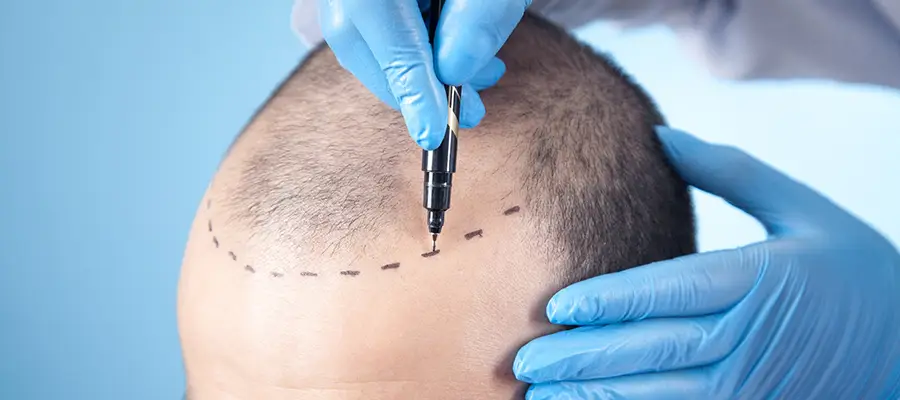
- First, the type of hair loss and the donor area are evaluated in detail.
- A personalized hairline and transplant plan is created.
- On the day of the operation, both the donor and recipient areas are numbed with local anesthesia.
- Hair follicles are extracted one by one using FUE, DHI, or manual methods.
- The harvested grafts are counted and separated according to their viability.
- Channels are opened in the area to be planted, or direct planting is done with DHI.
- Grafts are placed in accordance with the natural direction, angle, and depth of grafting.
Hair Transplantation to the Vertex Region: Why is it More Difficult?
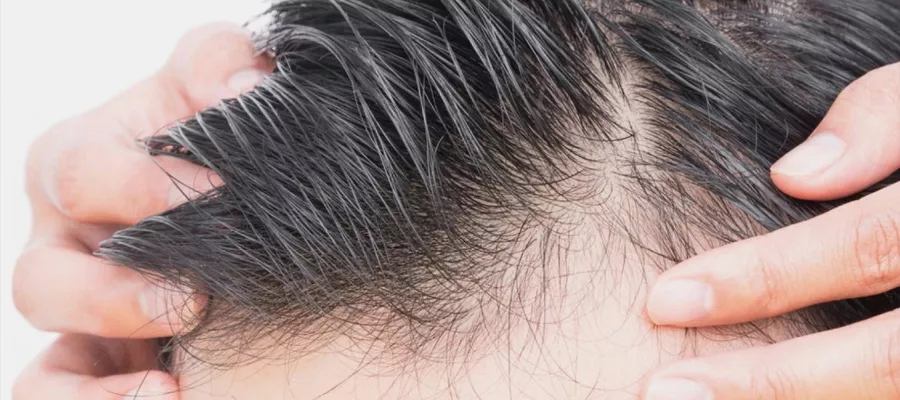
Hair transplantation to the crown area is difficult because the confusion surrounding direction and poor blood circulation can affect success.
The vertex area is where hair naturally grows in a spiral shape. Therefore, hair follicles need to be implanted at the correct angle and direction. Also, blood circulation is lower in the crown area, which can make the graft take-up process more difficult. More grafts may be needed to achieve density. These factors make the procedure technically more delicate and time-consuming. Working with an experienced specialist is even more critical in this area for a natural look.
How long does a hair transplant take?
Hair transplantation typically takes between 4 and 8 hours, the duration varying depending on the number of grafts.
Before the procedure, preparation, drawing, and anesthesia are administered. Afterwards, the stages of harvesting and implanting the grafts begin. As the number of grafts increases, the operation time also increases. The DHI method may take longer, while FUE procedures can be completed more quickly. The patient is conscious during the procedure, but does not feel pain. Breaks can be taken during the procedure, which makes it more comfortable. Rest is recommended on the day of the operation. The full recovery process begins after the operation.
Hair Transplant Recovery Process
The recovery process after hair transplantation begins with crusting and redness in the first 10 days, and the appearance gradually returns to normal.
For the first 3 days, avoid getting water on your scalp; after that, begin the special washing routine recommended by your doctor. The scabs will fall off within the first week, and mild itching and sensitivity may occur. A shock shedding may take place between 2-4 weeks; this is temporary. New hair will begin to grow after 2-3 months, and noticeable results will be visible from the 6th month onwards. The transplant will be fully settled after 12 months. Smoking, alcohol, and strenuous exercise should be avoided during the healing process. Regular care and doctor follow-up increase the chances of success.
When does the result of a hair transplant become settled?
Hair transplant results usually settle within 6 to 12 months, and the natural appearance becomes apparent.
In the first month, you may experience shedding of the scalp and shock shedding. This is temporary and will be replaced by the growth of new hair. Noticeable improvement begins from the third month. By the sixth month, the hair becomes more defined, gains volume, and approaches a natural look. Between 9-12 months, the hair structure thickens, and the full results are achieved. This period may be slightly longer in areas such as the crown. Patience, adherence to care guidelines, and progress under a doctor’s supervision are important.
Hair Transplant Post-Care Washing and Care Routine
The first wash after a hair transplant should generally be done on the 2nd or 3rd day, using products recommended by your doctor.
Washing should be done gently, without using fingernails. The scabs will fall off within the first 10 days; regular washing is important during this period. A moisturizing lotion can be applied to the area before washing. Lukewarm water should be used, and pressurized showers should be avoided. Natural drying should be preferred over using a hairdryer. Special shampoos and lotions support hair follicle retention. The scalp should not be scratched or rubbed. Following the care routine prescribed by your doctor carefully is critical for successful results.
When can I wear a hat/helmet, do sports, swim in the sea, or go to the sauna after a hair transplant?
Activities such as wearing hats, sports, swimming in the sea, and using saunas should generally be postponed for 2 to 4 weeks after a hair transplant.
Wearing a hat is not recommended for the first 10 days; after that, a loose and soft hat should be preferred. Light-paced walking can be started after a few days, while intense sports activities should be avoided for at least 3-4 weeks. Saunas, steam baths, and swimming in the sea should be postponed for at least one month. This period is important for graft engraftment and reducing the risk of infection. Sweating and trauma can negatively affect the healing process. When and which activities can be resumed should be clarified with a doctor.
Hair Transplant Risks and Complications
- Mild pain, swelling, and redness may occur in the first few days.
- Temporary numbness may occur in the donor or transplant area.
- Crusting and itching are natural parts of the healing process.
- The risk of infection is low, but hygiene rules should be followed.
- Excessive bleeding is rare.
- Shock shedding can occur temporarily.
- If the hair transplant is done at the wrong angle, an unnatural appearance may result.
Hair Transplant Prices 2026
In 2026, hair transplant prices will range from 5,000 £ to 12,000 £ , depending on the technique used and the number of grafts.
Does Hair Transplantation Hurt? What Does it Feel Like During the Procedure?
Local anesthesia is applied during hair transplantation, so no pain or discomfort is felt during the procedure.
There may be a slight burning sensation when the needle is inserted, but the entire procedure is comfortable after anesthesia. Only pressure or touch sensations may be felt during the transplantation. Mild stinging or tightness may be experienced in the first few days after the procedure. This is short-lived and usually controlled with simple painkillers. Correct anesthesia application increases the comfort of the procedure. The patient remains conscious and can rest and listen to music during the procedure. In general, hair transplantation is not a painful procedure.
How many days of leave are needed after a hair transplant?
After a hair transplant, taking 3 to 7 days off is usually sufficient for recovery and care.
In the first few days, crusting, redness, and slight swelling may be observed in the transplanted area. These symptoms usually subside within 5 to 7 days. The recovery time may vary individually depending on the work environment and the type of work performed. Office workers may return to work sooner, while those in physically demanding jobs may need a few more days. It is important to protect yourself from the sun, dust, and sweat during the first week. Being careful during the healing process is crucial for long-term success.
When do grafts take root, and how many days are critical?
The first 7 to 10 days are crucial for graft engraftment and require special care during this period.
The first 48 hours are the most sensitive period for hair follicles to adapt to their new location. During this time, contact, impact, and friction to the area should be strictly avoided. Within the first 10 days, the scabs will begin to fall off, and the grafts will fully settle. Following washing instructions increases the success rate. It is important to avoid factors such as smoking, alcohol, and strenuous exercise. When this process is carefully managed, the vast majority of grafts will be permanent. Following expert advice directly affects the results.
How should one sleep on the first night? Is sleeping on one’s side a problem?
It is recommended to sleep on your back with your head elevated the first night after a hair transplant; sleeping on your side is not recommended.
Tilting or rubbing the head forward can cause the grafts to shift. Therefore, a special pillow or neck pillow can be used while sleeping. Sleeping on your back in a stable position for the first 3-5 nights protects the transplanted area. Sleeping on your side or stomach can increase the risk of graft loss. The pillow that comes into contact with the head while sleeping should be clean, as it may carry germs. Hygiene and position are crucial in this process. The correct sleeping position supports successful results.
What Causes Edema, How Long Does it Last, and How Can it be Reduced?
Post-hair transplant swelling is caused by local anesthesia and trauma from the procedure, and usually subsides within 3-5 days.
Edema most commonly appears as swelling in the forehead and around the eyes. It can descend forward due to gravity. Keeping the head elevated, drinking plenty of water, and resting can shorten the duration of edema. Cold compresses may be applied in some cases with a doctor’s recommendation. Avoiding excessive salt intake is also beneficial. It usually disappears completely within a week. Additional supportive products may also be prescribed under expert supervision. Edema is a temporary condition and does not affect the long-term healing process.
How long does numbness/tingling last in the donor area?
Numbness or tingling in the donor area is due to the involvement of nerve endings and usually resolves within a few weeks.
Nerves can be temporarily compressed during micromotor or manual operations. This can be felt as numbness, tingling, or a slight burning sensation. In most cases, this resolves spontaneously within 2-6 weeks. Rarely, this sensation may last for several months, but it is not permanent. Massage and moisturizing creams recommended by a doctor can alleviate this process. There is no need to panic; the body will regain normal sensation over time.
Will my hair fall out completely after a hair transplant (shock hair loss)?
Yes, shock hair loss after a hair transplant is normal and temporary.
Shock shedding usually begins 2-6 weeks after the procedure. Although the transplanted hair strands fall out, the roots remain in place. This process is due to the hair entering its resting phase and can last approximately 1-2 months. New hairs will grow healthily in place of those that fell out. Shock shedding may not occur in every patient, but it is a common and natural process. Patience and following care instructions are important. It is not permanent hair loss.
When can hair be cut (with scissors/clippers) after a transplant?
- Hair trimming with scissors can usually be done 3-4 weeks after a hair transplant.
- Scissors are safe as long as they do not come into contact with the grafts.
- It is recommended to wait at least 2 months before cutting hair with a machine.
- Machine use should be delayed in the planting area.
- Machine cutting of the donor area is possible for most people after 3-4 weeks.
- It is critical that the grafts do not become dislodged during the first few weeks.